Why Your Toilet Keeps Running
Three faults inside a cistern can leave a loo running: the inlet valve, the seal on the flush valve, or the water level set past the overflow. When a toilet keeps running, one of those parts has worn out or drifted off its setting. The housing stock mixes 1960s builds with 2000s installs, so plenty of cisterns are working through their second or third set of internals.
If we're late, $100 comes off your bill

- Licensed and InsuredEvery job done by a licensed plumber. QBCC No: 15024607
- Fixed Quote FirstFlat-rate pricing, agreed before any work starts
- Lifetime Labour WarrantyBacked by our Fix-It-or-It's-Free guarantee (T&Cs apply)
- $0 Call-Out FeesNo extra charge for nights, weekends or public holidays
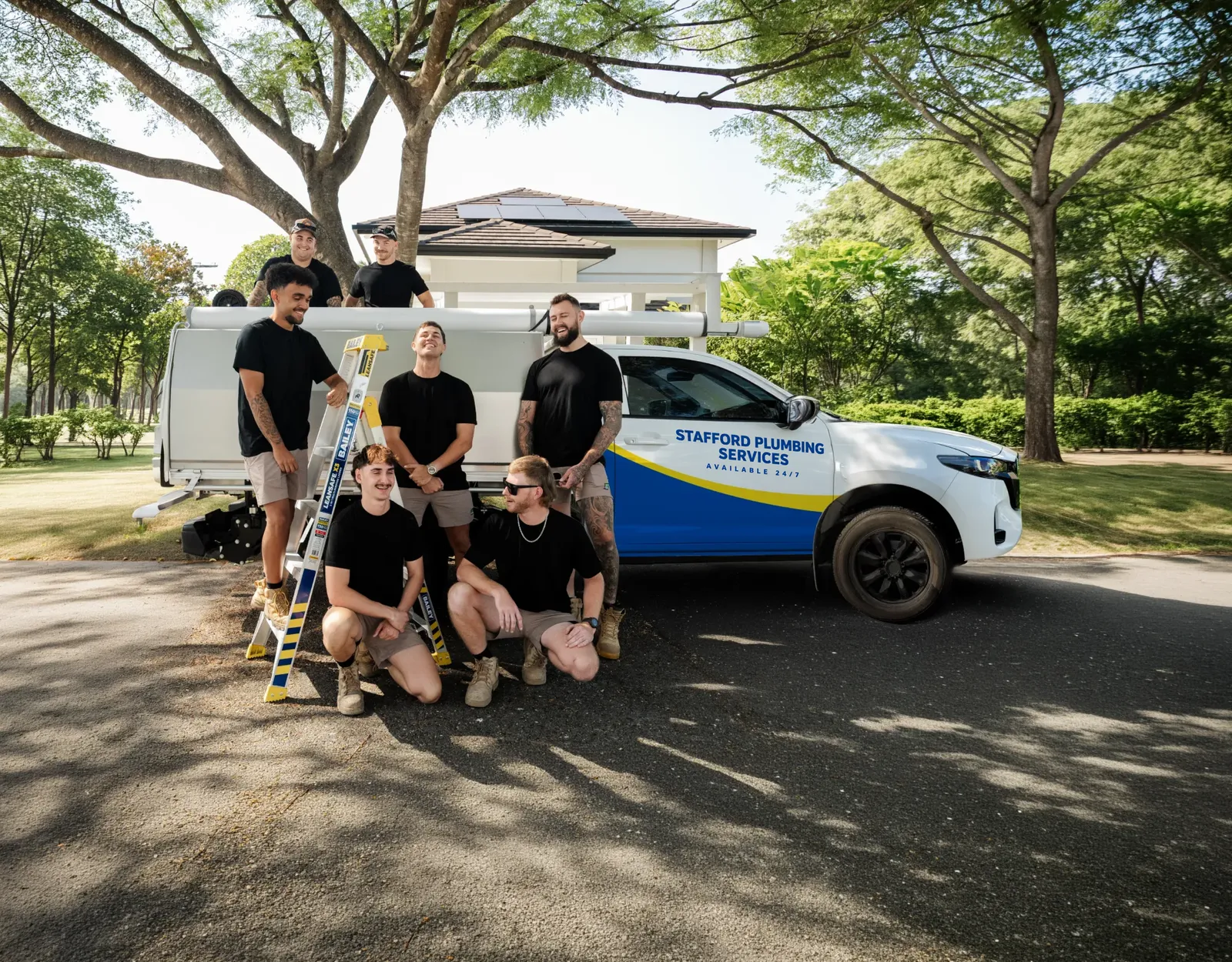
Our Stafford plumbers work out which part has failed, then quote before touching anything. Every job is done by a licensed plumber, and you receive a fixed quote before any work starts.
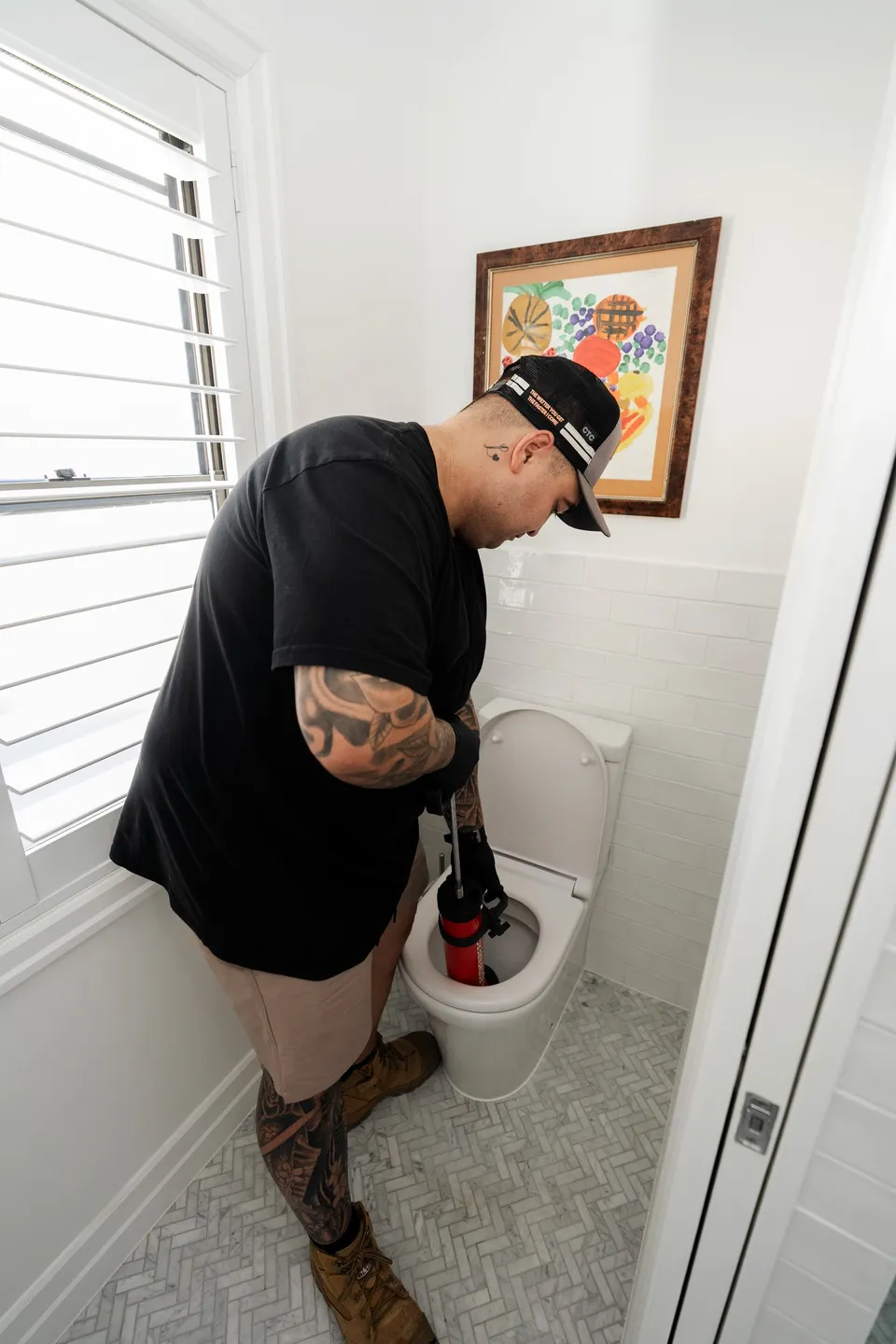
Why the Cistern Never Stops Filling
A cistern never stops filling for one of three reasons: an inlet valve that no longer closes, a leaking flush valve seal, or a water level set above the overflow.
Each fault leaves a different clue. Hissing or trickling that continues once the cistern is full means the inlet valve is at fault.
When the cistern tops itself up between flushes, or water creeps down the inside of the pan, the flush valve's seal has worn through. Water dribbling from the overflow pipe, often outside the wall, shows the cistern is filling beyond its set level, so the float or the inlet valve needs a look.
After a flush, the inlet valve refills the cistern and shuts off when the float lifts to its chosen height. The flush valve, or outlet valve, holds that water between flushes. When the rubber seal perishes, water drains past the seal into the pan, and the inlet valve replaces whatever is lost.
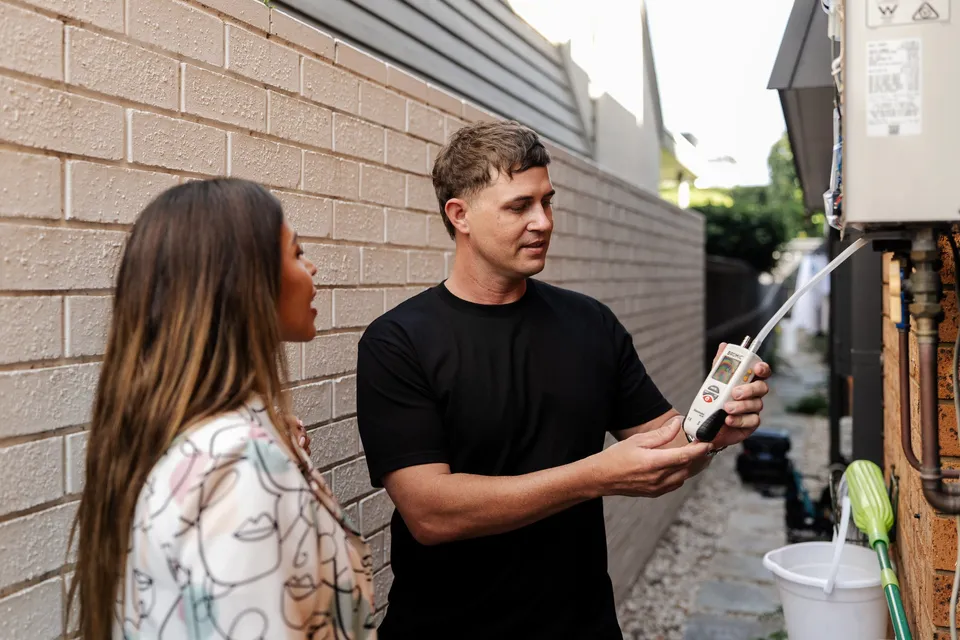
Water Runs but the Cistern Stays Low
A cistern that stays empty usually has a stop tap only partly open, an inlet valve that is worn or gummed up, or a float sitting too low. Start at the stop tap on the wall, because a tap left half turned starves the refill.
Water running while the level goes nowhere tells a different story: the outlet seal is probably releasing water at the same speed it enters. The refill and the leak cancel each other out, so the loo runs non-stop over a nearly empty cistern.
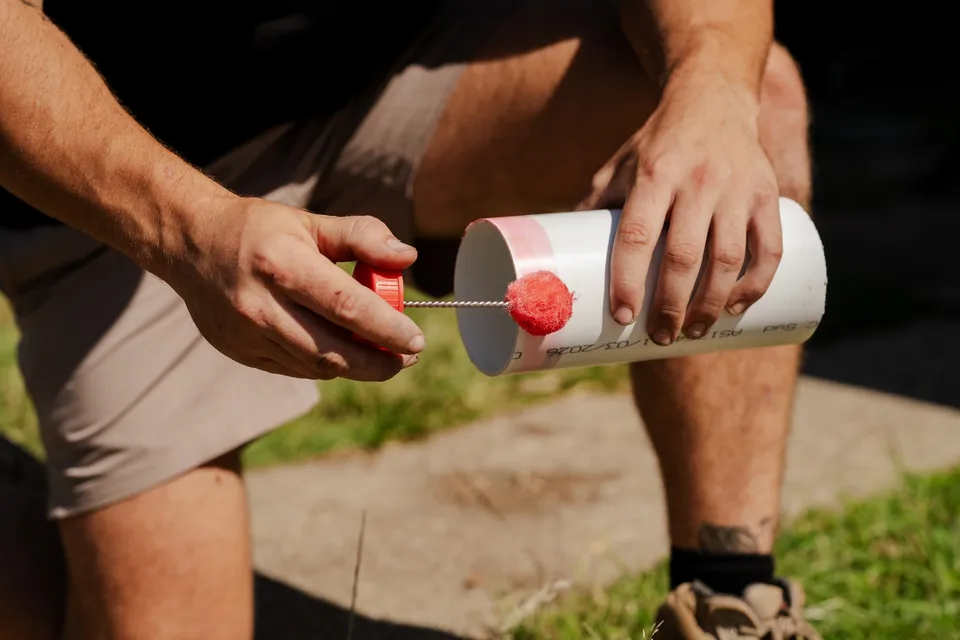
The QBCC List of Unregulated Cistern Work
The QBCC's unregulated work list includes three cistern parts: the drop valve washer and the float valve washer, plus the suction cup rubber. No licence or approval is needed for those three, but the finished work still has to comply with the standards in the plumbing code.
Any other toilet repair is minor work under the QBCC's categories, and a QBCC licensee carries it out without a permit or a Form 4.
Queensland tenancy law puts the owner or manager in charge of keeping a rental in good repair, and requires the tenant to report faults quickly. The emergency repair list covers a blocked toilet, but a loo that merely runs is not on it, so the fix counts as routine and happens within a reasonable time.
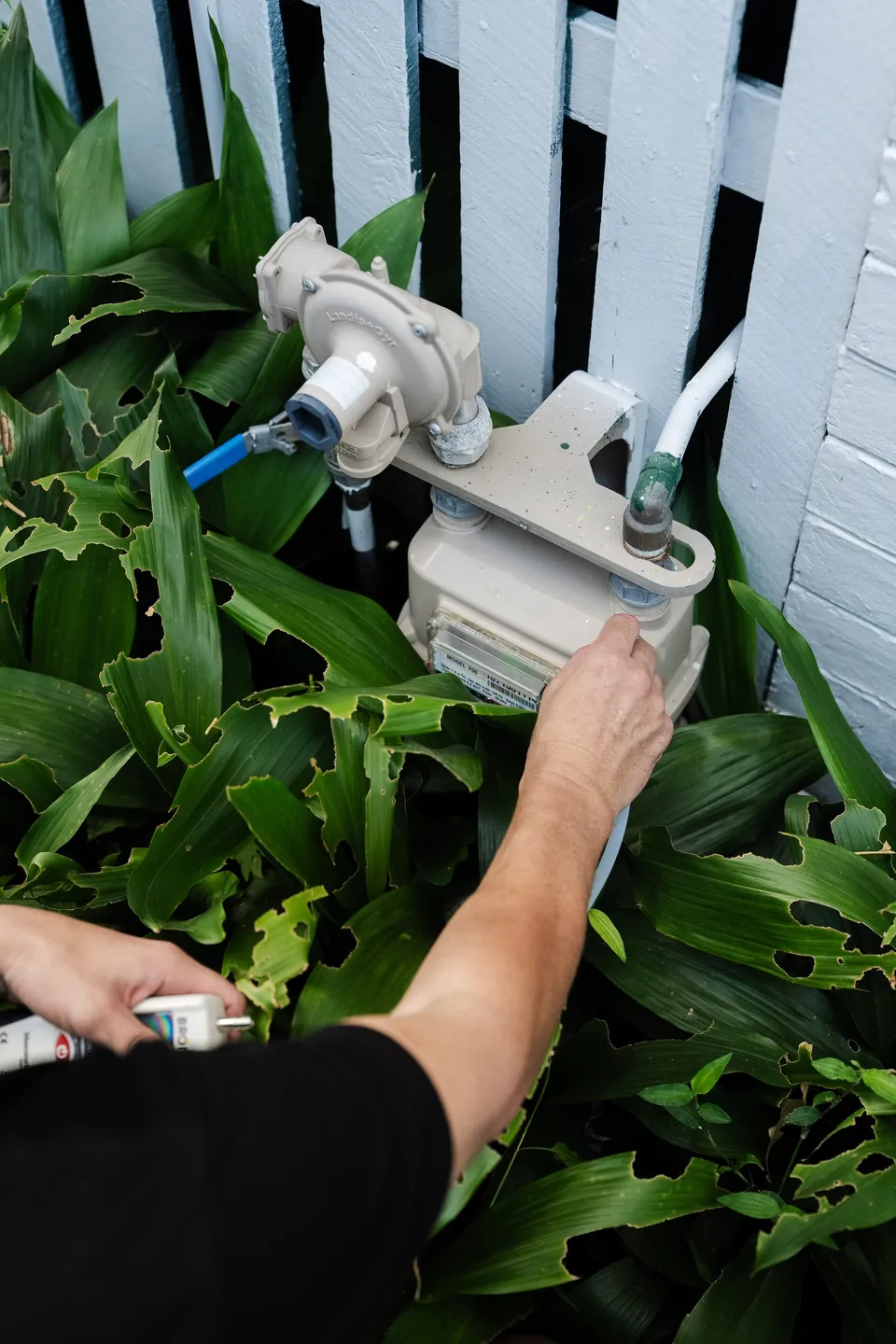
The Dye Test for a Leaking Cistern
Put a small amount of food colouring in the cistern, resist flushing, and after a wait look at the bowl. Colour appearing in the bowl shows water is getting out of the cistern and into the pan, which points to a worn flush valve seal.
Flush afterwards to clear the colour, because food colouring does not stain ceramic bowls. A bowl that stays clear tells you the flush valve is sealing as it should, so look next at the inlet valve and how high the water sits.
No colouring at home? Stick a sheet of dry loo paper just above the water line on the bowl's inner back wall. The paper should stay dry unless a hidden trickle is wetting the bowl, which indicates a leaking toilet.
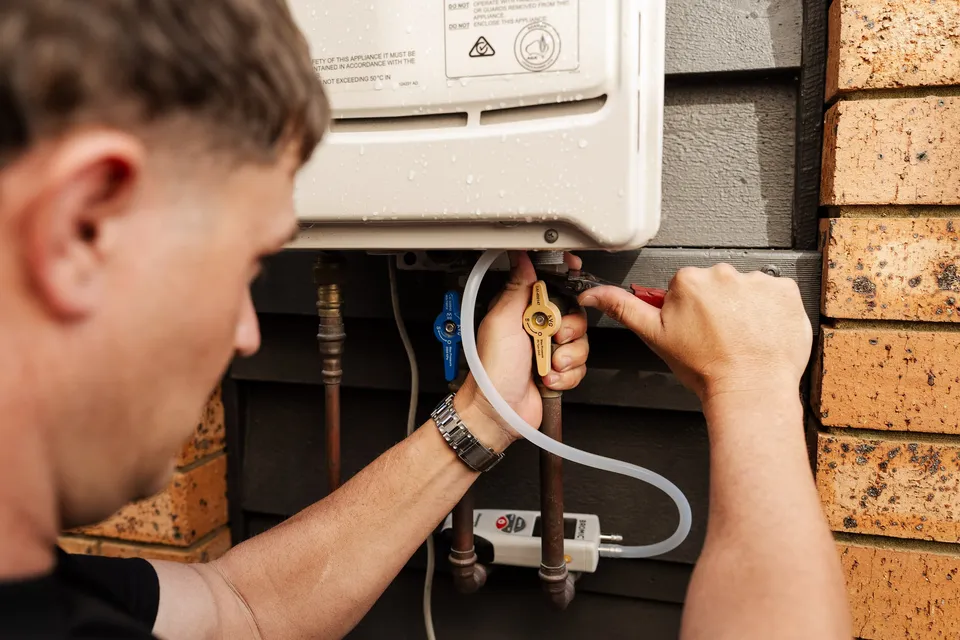
Does the Water Utility Cover a Running Toilet
No, the utility's concealed leak adjustment leaves leaking cisterns out, along with leaking taps, hot water systems and other water appliances. Urban Utilities offers that adjustment for hidden pipe leaks, but a running cistern does not qualify. Responsibility for leaks on a property, and for the water they waste, sits primarily with the owner.
For the townhouse and duplex share of Stafford's housing, a running cistern on a metered account quietly lifts the water bill until somebody acts on it.

When to Hand It to a Plumber
Ring us when the dye check shows colour, when the cistern refills itself around the clock, or when the fault sits anywhere past the QBCC's three unregulated parts.
A 1960s cistern in a cottage near Fogarty Street and a newer one in a duplex can share the same symptom for different reasons, so a diagnosis beats a guess.
We name the failed part, quote the repair up front, and the labour carries our lifetime labour warranty. Our toilet repairs page lists the full range of cistern and pan work we cover.
Running Toilet Questions Answered
Call (07) 3523 6417Why does my toilet keep running after I flush?
Usually the inlet valve has stopped closing, the seal on the flush valve is worn, or the water level sits above the overflow. A continuous hiss suggests the inlet valve. A cistern that quietly refills between flushes, or water trickling down the pan, suggests the seal.
Why is my toilet cistern not filling up in Stafford?
The usual culprits are a partly closed stop tap, a float set below where it should sit, or an inlet valve clogged with debris. When water runs without the level rising, the outlet seal is likely letting water escape as fast as it enters.
Will food colouring stain my toilet bowl?
No, ceramic bowls come away clean. One flush afterwards washes the colour away completely.
Will Urban Utilities cover a running toilet in Stafford?
No, Urban Utilities leaves leaking cisterns out of its concealed leak adjustment, so the wasted water stays on the owner's account. The property owner, not the utility, carries the loss.

Ring Us About That Running LooWe'll call you back.
Phone (07) 3523 6417 for a licensed plumber in Stafford. We work under QBCC No: 15024607, with flat-rate pricing, no hidden fees and same-day where we can.
To claim your $0 call-out fee, call (07) 3523 6417 today.