Repiping Old Pipes in Stafford
Repiping means replacing old water supply pipework with new pipe, either across the whole house or one section at a time. Stafford Plumbing Services handles repiping Stafford homes when the old lines have run their course, and every job is done by a licensed plumber.
If we're late, $100 comes off your bill

- Licensed and InsuredEvery job done by a licensed plumber. QBCC No: 15024607
- Fixed Quote FirstFlat-rate pricing, agreed before any work starts
- Lifetime Labour WarrantyBacked by our Fix-It-or-It's-Free guarantee (T&Cs apply)
- $0 Call-Out FeesNo extra charge for nights, weekends or public holidays

We cover Stafford and its neighbouring streets, weatherboard Queenslanders through to post-war brick-veneer cottages. You get a fixed quote before any work starts, with flat-rate pricing and no hidden fees.
When Patching Stops Making Sense
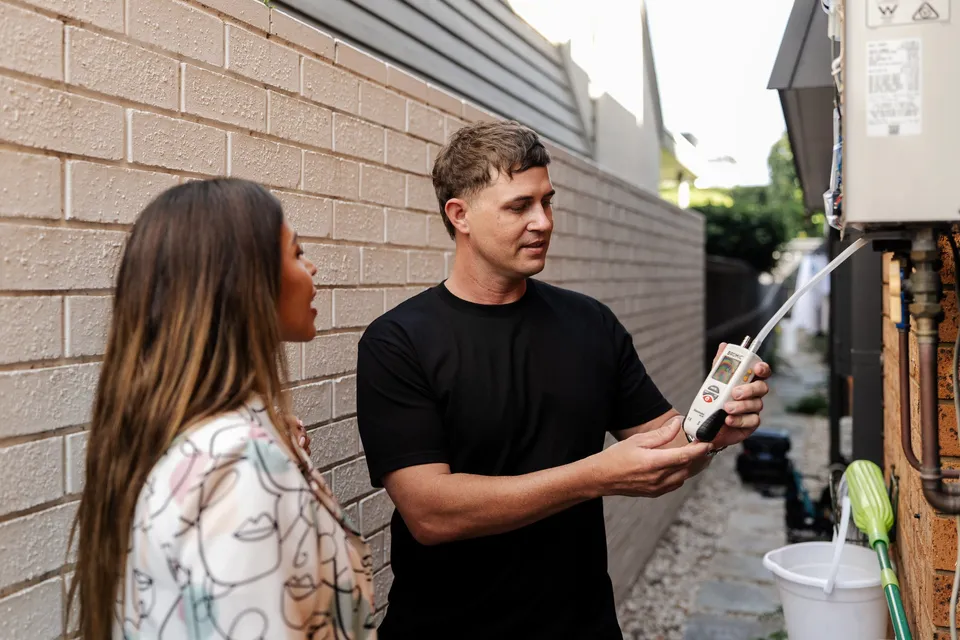
Repair suits a pipe that is still sound and leaking once; a repipe is the answer when leaks keep returning, the water runs brown, or several taps lose flow together. The pipes behind those signs are galvanised steel, and older copper whose fittings were soldered with lead.
Watch for these signals that a pipe is wearing out rather than holding one bad joint:
Leaks that keep returning
along the same run, one repair after another
Brown or rust-coloured water
, which means corrosion is at work inside the pipe
Weak flow at several taps at once
, not just one, which can mean scale or rust has narrowed the bore
Age and condition
lead-based solder was common across Australia until 1989, so supply lines older than that deserve a check
A single split line is a repair job, and our burst pipe repairs page covers it. Repiping enters the conversation when the fixes start stacking up.
Copper or PEX for the New Pipework
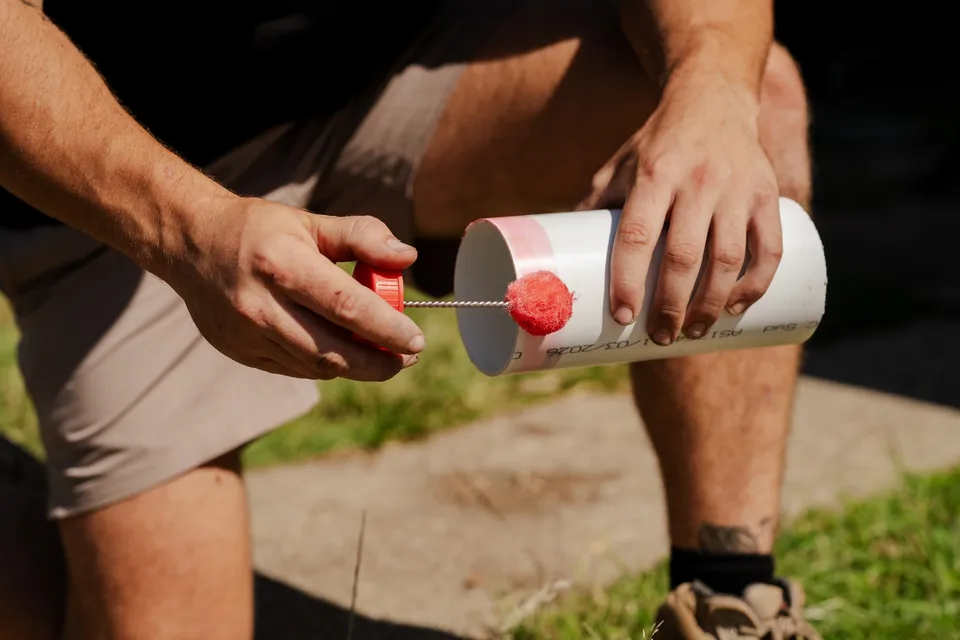
Copper and PEX (cross-linked polyethylene) are the usual replacement pipes, and the plumber chooses by where each run travels. Every product installed has to be one the Act approves for plumbing, and the finished work must comply with the code.
A few practical differences shape the choice:
Copper
is rigid metal; it suits exposed runs and takes threaded fittings at the fixtures
PEX
is a flexible plastic; it bends around framing and cuts the joint count inside walls
Galvanised steel
never returns; its zinc coating corrodes from within, which is why it fails
The plumber who quotes your job walks the runs and names the material for each one. If a hidden leak is muddying the diagnosis, our leak detection service pinpoints it first.
What to Expect While Pipes Are Replaced
- 1

Inspect the Existing Pipes
The plumber follows every supply line from the meter to the fixtures and decides which pipes are worth keeping and which have had it.
- 2

Plan the Replacement
The plan sets the scope: everything in one go, or section by section so the kitchen keeps working while the bathroom is done.
- 3
Open Access and Lay the New Pipe
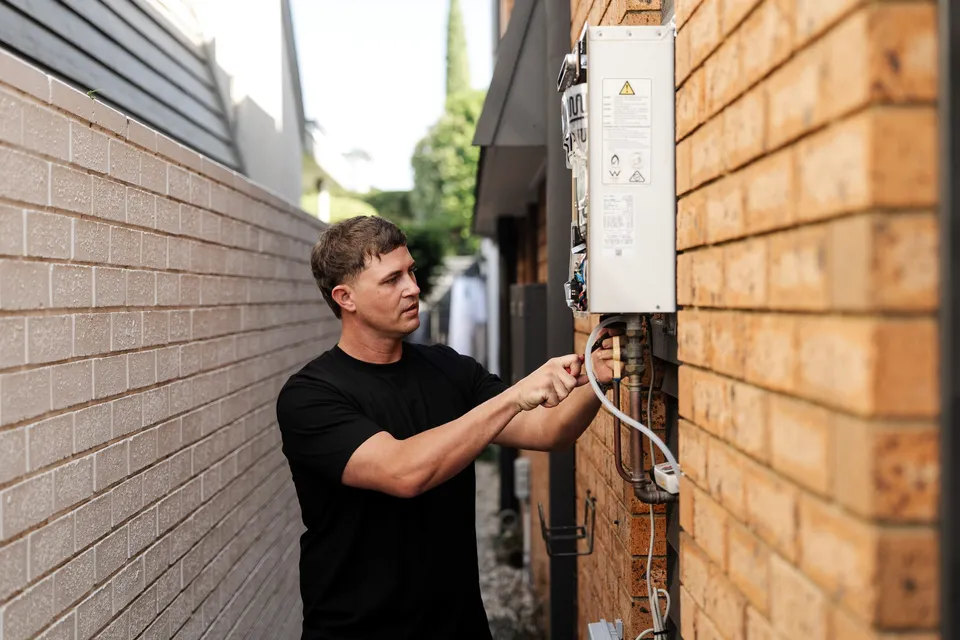
Access is opened to pipes in walls, under floors or beneath the house, and the new pipework runs parallel to the old line, which keeps your water on for most of the job.
- 4

Shut Off and Swap Over
The supply comes off while the plumber moves each fixture from the old line to the new one, starting at the meter.
- 5

Test for Leaks
Every new joint is pressure-tested and checked before anything closes up and the water returns.
Plumbing job in Stafford?
$0 call-out fees, available 24/7, and same-day where we can.

Where Stafford's Old Supply Lines Sit Today
Some of the Queenslanders dotted through the post-war streets still draw their water through galvanised steel, and feeble flow at the tap furthest from the meter is often the giveaway. Those cottages share their streets with steady infill: area-level building approvals counted 21 dwellings in 2021-22 alone, so fresh copper and PEX now run beside supply lines old enough to predate it all.
In the Regulation, a supply pipe is the pipe that carries water within your premises, and the connection point is where Urban Utilities' system meets it. A repipe stays entirely on your side of that line; the utility looks after the public mains. For day-to-day fixes short of a full replacement, our water pipe repairs page sets out what we do.
How Your Repipe Visit Runs
- 1
Call or message us
Ring (07) 3523 6417 or use the form and describe what's going on in Stafford. A few details up front mean the right gear comes on the first trip.
- 2
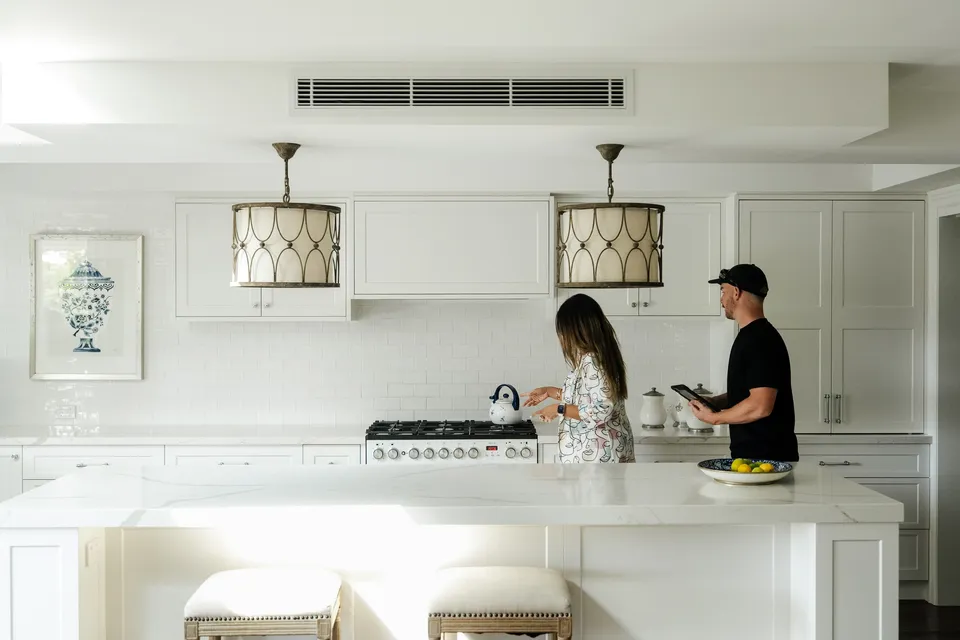
We scope the runs and stage the work
We walk the supply lines from the meter to every fixture, mark what stays and what goes, and map a plan that keeps your kitchen and bathroom working wherever we can.
- 3
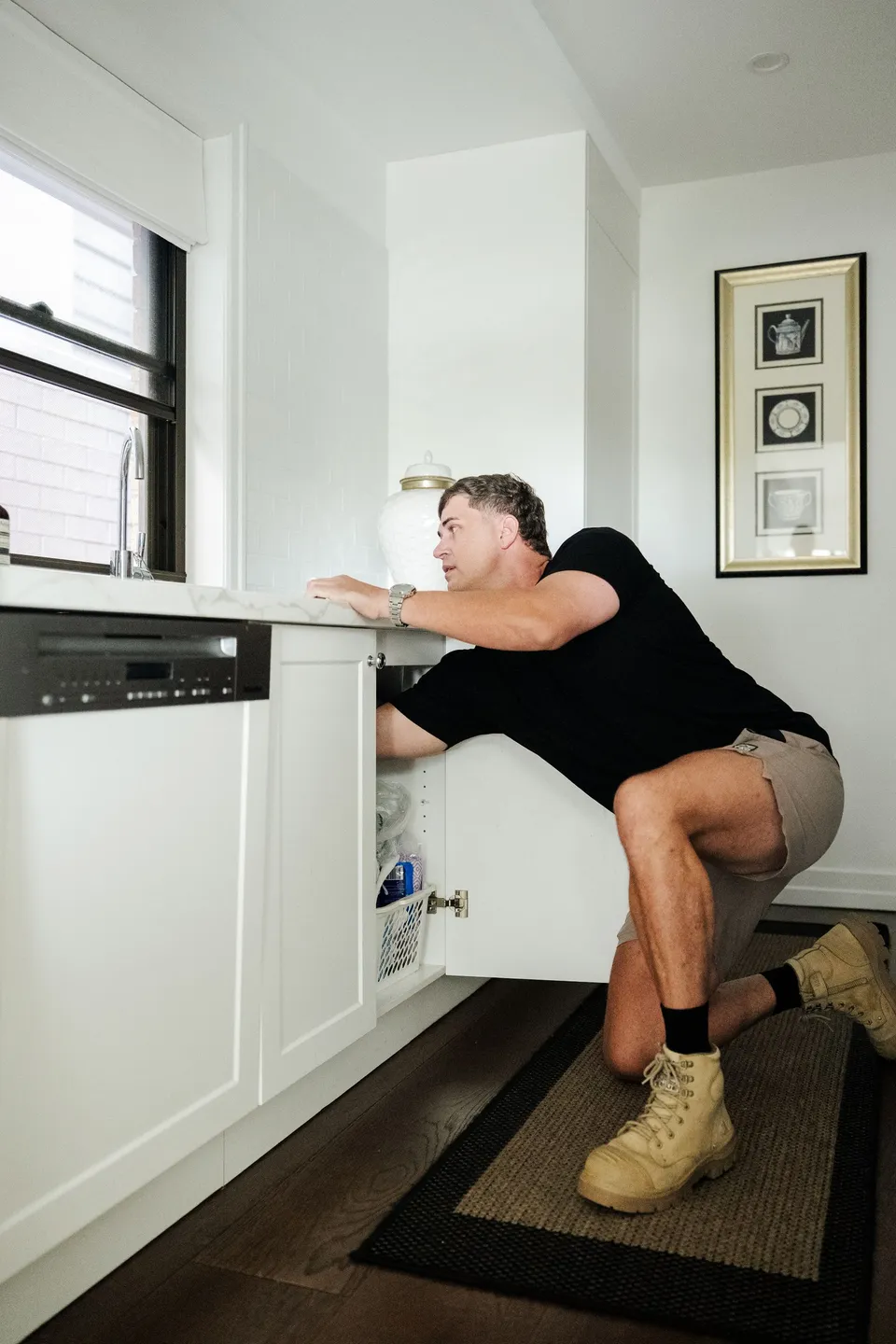
Fixed quote, then the work
We give you a fixed quote before any work starts. It's flat-rate pricing with no hidden fees, and we only start once you approve it.
- 4
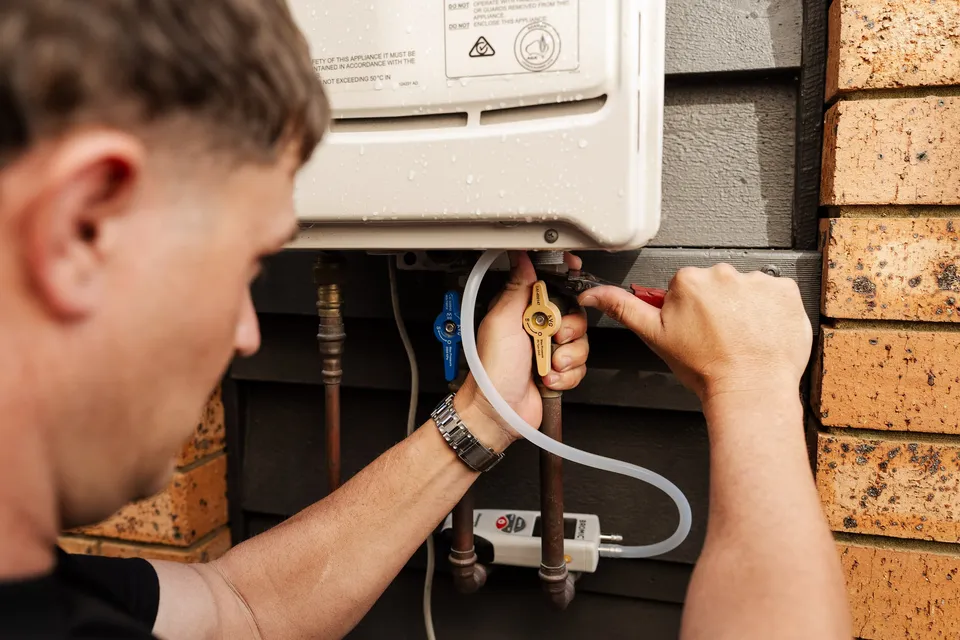
Settle up your way
Card and EFTPOS payment on site when the job's finished, or Fix now, pay later if that suits you better.

What the Owner Should Receive After a Repipe
A repipe in an existing home is notifiable work, so no council permit applies. A licensed plumber lodges a Form 4 with the QBCC within ten business days and hands you a copy. Plumbing for a brand-new building is permit work, a different category, and a unit owner checks with the plumber first.
Your rights after the job are specific:
- The QBCC's online registers show the plumber's licence and any Form 4 filed for your address
- Request a Form 4 copy from the QBCC if yours never arrives; complaints about unlicensed or defective work also go to the QBCC
- For twelve months after lodgement, the council may contact you and, with your consent, send an inspector to confirm the work meets the code
Repiping Questions Answered
Call (07) 3523 6417What does repiping a house involve in Stafford?
The plumber inspects the old lines, plans a full-house or staged replacement, lays fresh pipe alongside, connects it with the supply off, then tests for leaks. Access gets opened to the lines in walls, floors or the subfloor as the job needs.
Does repiping a house need a permit in Queensland?
No, a standing home needs no council permit for a repipe. The job is notifiable work, so the plumber lodges a Form 4 with the QBCC inside ten business days and gives you a copy. Unit owners should confirm the category with the plumber.
How can I check a repipe was registered?
Check the QBCC's public registers online. They confirm the plumber's licence and show any Form 4 registered against your address. If a copy never arrived, request one from the QBCC, and complaints about unlicensed or defective work go there too.
How long does repiping take in Stafford?
No fixed duration applies; the scope sets it. The home's size, how many fixtures it has, the length of pipe, the access available, and whether the job is staged all shape the timeline. A fixed quote confirms the scope first.
Will I have water while the house is repiped?
Yes, for most of the job. The old line keeps feeding the house while the new one is built, and the supply is only off during the final switchover. No duration can be given for that outage.

Ring Us About Repiping Your HomeWe'll call you back.
Phone (07) 3523 6417 for a licensed plumber in Stafford. We work under QBCC No: 15024607, with flat-rate pricing, no hidden fees and same-day where we can.
To claim your $0 call-out fee, call (07) 3523 6417 today.