Old House Plumbing in Stafford
A Queenslander from before the war and a Housing Commission cottage from the 1950s boom both deserve the same first step: finding out what the plumbing actually is. Old house plumbing in Stafford has usually been patched, extended and partly swapped over the decades, so assumptions cost more than inspections. Stafford Plumbing Services works across all of it, and every job is done by a licensed plumber.
If we're late, $100 comes off your bill

- Licensed and InsuredEvery job done by a licensed plumber. QBCC No: 15024607
- Fixed Quote FirstFlat-rate pricing, agreed before any work starts
- Lifetime Labour WarrantyBacked by our Fix-It-or-It's-Free guarantee (T&Cs apply)
- $0 Call-Out FeesNo extra charge for nights, weekends or public holidays

Queensland law puts a duty on owners here. The Plumbing and Drainage Act requires you to take every reasonable step to keep your premises' plumbing and drainage sound and working, and knowing your own pipework is where that duty begins.
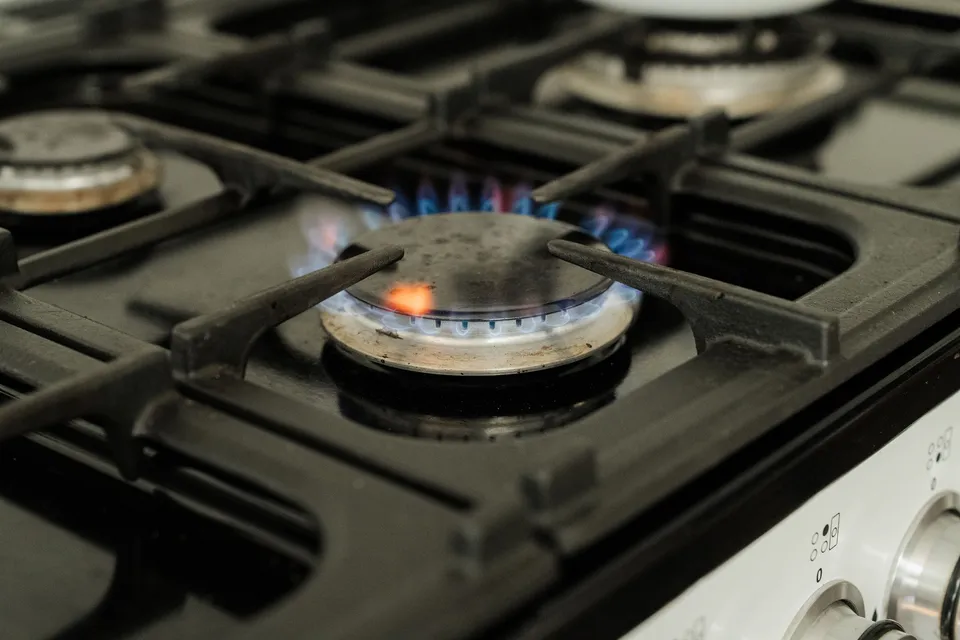
What Runs Beneath and Behind an Older Floor
Stumped houses carry their water, waste and gas lines through the open space under the floorboards, where a torch finds them from below. Slab homes hide the same pipework inside the slab and the walls, so reaching a fault means opening surfaces. The quarter-acre cottages here are overwhelmingly stump-built, so most of what matters sits beneath you.
Leaks under an older house announce themselves without demolition:
- wet or soft soil in one patch beneath a run
- drips sitting at the joints
- rust marks on pipe and fittings
- damp or stained timber, and a musty smell below
The cylinder on a cottage's back wall belongs to the same generation of fittings, and a weep from a corroded joint there can run for weeks before anyone notices. A crawl under the floor with a torch often catches trouble early.

Rusty Water and Weak Flow in an Old House
Galvanised pipe is steel wearing a zinc skin, and once the zinc wears through, rust builds inside and narrows the bore. You'll see it as brown or orange water, flow gone feeble at several taps at once, and one stretch of pipe failing again within months of each fix.
A few of the Queenslanders here predate the Commission boom, and their supply line can be galvanised steel, with pressure dying away at the far end of the house as the tell-tale. No rule sets an age at which a line gets replaced: we confirm the material and its condition on site.
One date matters for copper runs. Plumbers across Australia joined copper with lead-based solder until 1989, so joints older than that deserve a look when the supply pipes are opened up. If the diagnosis points to renewal, our page on repiping old Stafford pipes works through the choices, and leak detection in Stafford covers tracing the hidden runs.
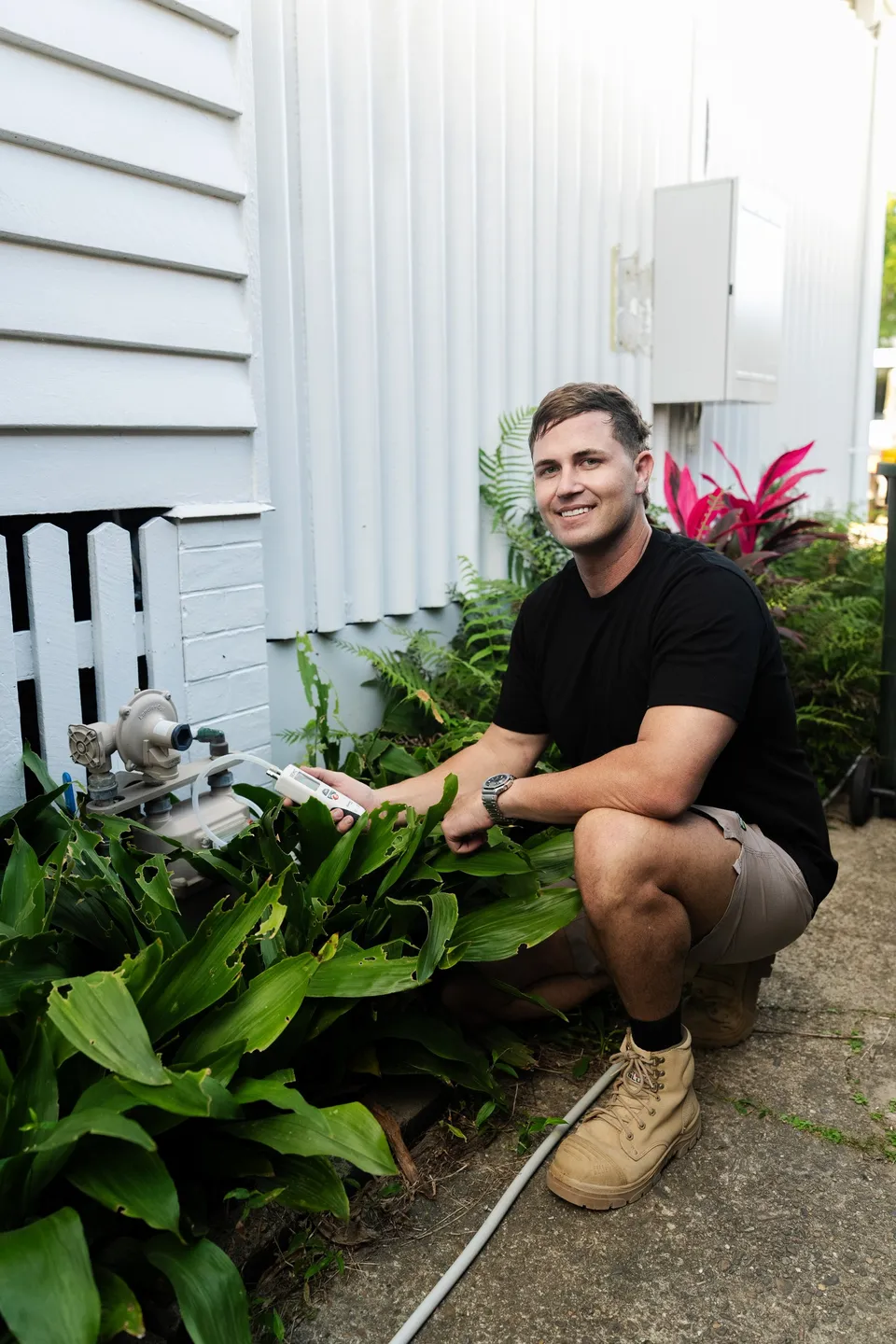
Corrosion and Wear in Older Gas Pipework
Gas work on any house belongs to licensed gasfitters alone; Queensland law covers installing, altering, repairing, servicing, testing and certifying a gas system and every connection on it. For older places, the Queensland Government advises regular checks for corrosion, deterioration or damage, and combustible materials should stay clear of appliances.
Where a gas worker finds a safety fault on a job and cannot put it right on the spot, the rules require a defect notice to the owner. Certificates and defect paper are compared on our page about gas compliance certificates.
Smell gas? Turn the appliance off, open the doors and windows, and keep your hands off switches and power points. If the smell lingers, close the supply at the meter or the bottle and phone us; call 000 if it still won't clear.

What a Renovation Sets Off in an Older Home
Renovation plumbing in a home that already exists is generally notifiable work. There's no council permit and no compulsory inspections; we register the finished job with the QBCC on a Form 4 and hand you a copy. The Regulation counts a building as existing once drains are laid and water is connected, which covers nearly every house in the suburb.
A few triggers change the picture:
Shared drains and dual supplies
Where a house sits on a drain combined with neighbours, or takes a dual reticulated supply, the job becomes permit work and we apply to council before starting.
Temperature control devices
Every new or replacement water heater takes one, holding tap water at no more than 50°C, and a new fixture for personal hygiene does too. A washer or shower-head swap does not.
Asbestos
Most houses built before 1990 contain some, and a reno on one carries extra precautions that can lengthen the job.
Two more points help owners of older places. A permit travels with the property and binds you, any later owner and any occupier, so an old permit still counts today. You can also search your street address in the QBCC's notifiable-work register, or request a Form 4 copy if one never reached you.
How We Work on an Older House
- 1

Call or message us
Ring (07) 3523 6417 or use the form and describe what's going on in Stafford. A few details up front mean the right gear comes on the first trip.
- 2

We inspect before we quote
We look under the floor, name each pipe material, check the gas line for corrosion, and note what past owners added, so the quote matches the house you actually own.
- 3
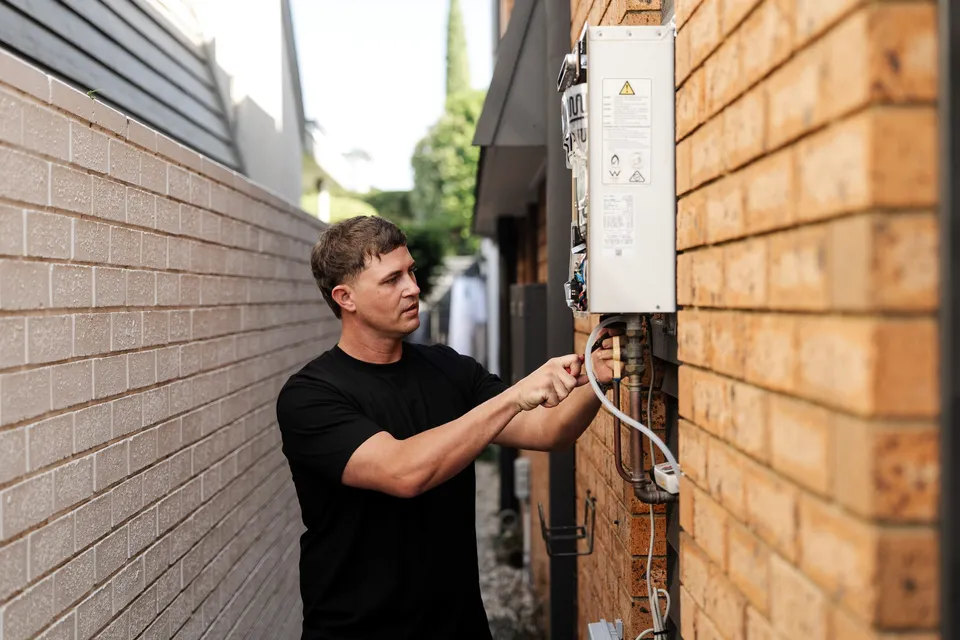
Fixed quote, then the work
We give you a fixed quote before any work starts. It's flat-rate pricing with no hidden fees, and we only start once you approve it.
- 4

Settle up your way
Card and EFTPOS payment on site when the job's finished, or Fix now, pay later if that suits you better.
Plumbing job in Stafford?
$0 call-out fees, available 24/7, and same-day where we can.
Older Home Plumbing Questions Answered
Call (07) 3523 6417What is different about plumbing in an older Stafford home?
The pipework has aged piecemeal, with each generation of owners patching and adding to it. Queenslander-era homes can hold galvanised supply line, the runs under a stumped floor are easy to see but hard to reach, and old gas fittings belong to a licensed gasfitter only. Renovations then bring their own paperwork rules.
Are there galvanised water pipes in Stafford homes?
Yes, in some of the older houses. A few Queenslanders predate the Housing Commission boom, and theirs can be galvanised steel from the street in. Weak pressure at the tap furthest from the meter is the usual give-away, and we confirm the material on site before advising anything.
Is old gas pipework in a Stafford home safe?
No, not as a blanket rule. Only a licensed gasfitter can assess it. Watch for corrosion, deterioration and damage, and keep combustibles clear of appliances. If you smell gas, turn the appliance off, open doors and windows, leave switches alone, and shut the supply at the meter or cylinder; call 000 if it still persists.
Does renovating my Stafford home need a plumbing permit?
No, not in most cases. Renovation plumbing in a home that already exists is notifiable work, so there is no council permit; the plumber lodges a Form 4 with the QBCC instead. A permit applies where the house shares a combined drain or runs on a dual reticulated supply.
Do plumbing renovations in old houses cost more?
Yes, they can. Access drives much of it, because old pipework hides under floors and behind walls, and the condition we find once surfaces are opened drives the rest. Pre-1990 houses mostly hold some asbestos, which adds precautions, and a fixed quote before any work starts sets the final figure.

Call Us About Your Older HouseWe'll call you back.
Phone (07) 3523 6417 for a licensed plumber in Stafford. We work under QBCC No: 15024607, with flat-rate pricing, no hidden fees and same-day where we can.
To claim your $0 call-out fee, call (07) 3523 6417 today.